

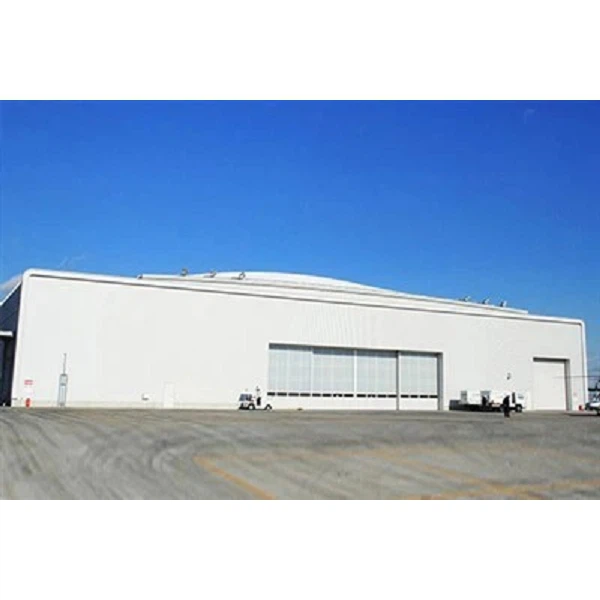
Prefab Steel Shed
A prefab steel shed, short for prefabricated steel shed, is a versatile and efficient structure designed for easy assembly and quick installation. Constructed using high-quality steel components that are pre-engineered and fabricated off-site, this type of shed offers durability, strength, and resistance to various environmental conditions. The prefabrication process ensures precision and consistency in manufacturing, allowing for a seamless on-site assembly. These steel sheds find widespread use in various applications, such as storage facilities, workshops, agricultural buildings, and more.
Description
What is Prefab Steel Shed?
A prefab steel shed, short for prefabricated steel shed, is a versatile and efficient structure designed for easy assembly and quick installation. Constructed using high-quality steel components that are pre-engineered and fabricated off-site, this type of shed offers durability, strength, and resistance to various environmental conditions. The prefabrication process ensures precision and consistency in manufacturing, allowing for a seamless on-site assembly. These steel sheds find widespread use in various applications, such as storage facilities, workshops, agricultural buildings, and more.
Advantages of Prefab Steel Shed
Durability and strength
Prefab steel sheds are renowned for their durability and strength. Constructed from high-quality steel materials, these structures offer robust resistance to adverse weather conditions, including heavy rain, snow, wind, and even seismic activity.
Cost-effectiveness
Prefabricated steel sheds are a cost-effective option compared to traditional construction methods. The off-site fabrication minimizes material waste, and the efficient assembly process reduces labor expenses.
Quick assembly and installation
One of the primary advantages of prefab steel sheds is their quick and efficient assembly. The components are pre-engineered and fabricated off-site, streamlining the construction process. This allows for faster on-site installation, reducing labor costs and minimizing disruptions to the surrounding environment.
Versatility in design and customization
Prefab steel sheds offer versatility in design and customization, allowing users to tailor the structure to their specific needs. Whether used for agricultural purposes, storage, workshops, or other applications, these sheds can be easily adapted to accommodate various requirements.


Why Choose Us?
High quality
Our products are manufactured or executed to very high standards, using the finest materials and manufacturing processes.
Rich experience
Dedicated to strict quality control and attentive customer service, our experienced staff is always available to discuss your requirements and ensure complete customer satisfaction.
Quality control
We have professional personnel to monitor the production process, inspect the products and ensure that the final product meets the required quality level standards, guidelines and specifications.
24h online service
We try and respond to all concerns within 24 hours and our teams are always at your disposal in case of any emergencies.
Working Principle of Prefab Steel Shed
The working principle of a prefab steel shed lies in its efficient and systematic construction process. Prefabricated steel sheds are manufactured off-site, where high-quality steel components are pre-engineered and fabricated with precision. This process ensures consistency and accuracy in the construction of each part. Once the components are ready, they are transported to the construction site for assembly. The on-site assembly involves the systematic joining and placement of pre-fabricated elements, facilitated by detailed plans and guidelines. This method allows for a quick and straightforward erection of the structure, saving time and resources. The inherent strength of the steel components contributes to the shed's durability, providing a reliable and long-lasting solution for diverse applications, ranging from storage facilities to workshops.
Materials Used in Prefab Steel Shed
Prefab steel sheds are constructed using a combination of high-quality materials to ensure durability, strength, and longevity. The primary material, as the name suggests, is steel, which forms the structural framework and main support of the shed. This steel is typically galvanized to enhance corrosion resistance, making it suitable for various environmental conditions. The walls and roof of the prefab steel shed may be clad with metal panels or sheets, providing additional protection and insulation. Other essential materials include fasteners and connectors, often made of corrosion-resistant alloys, ensuring the stability and integrity of the structure.
Main frame
The main frame serves as the backbone of the prefab steel shed, providing structural support and stability. It is typically made of high-strength steel beams and columns. These components are designed to bear the load of the structure and withstand environmental forces.
Roof and wall systems
Prefab steel sheds are often equipped with roofing and wall systems made of steel panels or sheets. These panels contribute to the shed's weather resistance, insulation, and overall durability. They can be coated or treated for additional protection against corrosion.
Secondary framing
Secondary framing elements include purlins and girts, which are essential for supporting the roof and wall panels. These components play a crucial role in distributing loads and ensuring the overall stability of the structure.
Bracing
Bracing components, such as diagonal braces, are integrated into the design to enhance the shed's resistance to lateral forces, such as wind or seismic activity. Bracing helps maintain the structural integrity of the prefab steel shed.
Fasteners and connectors
High-quality fasteners and connectors are used to securely join different components together. These include bolts, nuts, screws, and other connecting elements made from materials resistant to corrosion to maintain the structural integrity over time.
Doors and windows
Prefab steel sheds can be equipped with doors and windows designed for easy installation. These components are often pre-fabricated and can be customized based on the specific needs of the structure.
Foundation
The foundation provides the necessary support for the entire structure. Depending on the specific design and site requirements, the foundation may include concrete slabs, footings, or other support structures to ensure stability.
How to Choose Prefab Steel Shed
Purpose and intended use
Define the purpose of the prefab steel shed. Whether it's for storage, a workshop, agricultural use, or other applications, understanding your specific needs will help determine the shed's size, design, and features.
Size and dimensions
Consider the size of the space available on your site and the dimensions needed for the intended use. Choose a prefab steel shed size that accommodates your current requirements and allows for potential future expansion.
Weather resistance
Consider the climate and weather conditions of your location. Choose a prefab steel shed with appropriate insulation and ventilation options to withstand extreme temperatures, heavy rain, or snow.
Design and customization
Look for a supplier that offers customization options to tailor the design according to your preferences. Consider features such as door placement, windows, insulation, and any other specific requirements unique to your use case.
Quality of materials
Check the quality of materials used in the prefab steel shed. High-quality steel with proper coatings for corrosion resistance is crucial for durability. Ensure that other components, such as fasteners and connectors, also meet quality standards.
Cost and budget
Establish a budget for your prefab steel shed project. Compare prices from different suppliers and consider the overall cost, including delivery, installation, and any additional customization. Ensure that the chosen option provides value for the investment.
Supplier reputation
Research and choose a reputable supplier with a track record of delivering high-quality prefab steel sheds. Look for customer reviews, testimonials, and examples of completed projects to gauge the supplier's reliability.
Building codes and permits
Check local building codes and regulations to ensure compliance. Some areas may have specific requirements for the construction of prefab steel sheds, and obtaining the necessary permits is crucial to avoid legal issues.
Installation and assembly
Consider the ease of installation and assembly. Choose a prefab steel shed that comes with clear instructions and, if necessary, professional installation services. A quicker assembly process can save time and reduce labor costs.
How to Install Prefab Steel Shed


Prepare the site
Ensure that the site is level and properly graded. Clear any debris, rocks, or obstacles that may hinder the installation process. If required, pour a concrete foundation or prepare footings according to the shed's design and local building codes.
Check components
Before starting the installation, verify that all components and materials have been delivered and are in good condition. Check against the packing list provided by the manufacturer to ensure that nothing is missing.
Assemble main frame
Begin by assembling the main frame components, such as the steel beams and columns. Follow the instructions for connecting these elements securely. This step forms the basic structure of the prefab steel shed.
Add secondary framing
Install secondary framing elements, including purlins and girts, to support the roof and wall panels. Ensure that these components are properly aligned and securely fastened to the main frame.
Install roof and wall panels
Attach the steel panels or sheets to the framing to form the roof and walls. Follow the recommended fastening pattern and use appropriate sealants if provided. Pay attention to overlapping joints to ensure weather-tightness.
Add doors and windows
If your prefab steel shed includes doors and windows, install them according to the manufacturer's specifications. Check that they operate smoothly and securely.
Apply finishing touches
Complete any finishing touches, such as trim or additional weatherproofing measures. Ensure that all connections are tight and secure.
Inspect and secure
Conduct a thorough inspection of the entire structure to ensure that all components are properly installed. Double-check for any loose fasteners or connections. Secure any loose ends or trim to enhance the shed's overall stability.
Follow safety guidelines
Throughout the installation process, prioritize safety. Use appropriate personal protective equipment, and if needed, enlist the help of experienced professionals for specific tasks.
Application of Prefab Steel Shed
Storage facilities
Prefab steel sheds are widely used as storage buildings for industries, businesses, and individuals. They provide secure and weather-resistant storage space for equipment, inventory, tools, and other goods.
Workshops and manufacturing units
These sheds serve as efficient workshop spaces for manufacturing, fabrication, and other industrial activities. The open and customizable design allows for the easy installation of machinery and equipment.
Agricultural buildings
Farmers use prefab steel sheds for storing agricultural equipment, livestock, and crops. These structures offer a durable and low-maintenance solution for protecting farm assets from the elements.
Commercial spaces
Prefab steel sheds are employed for creating commercial spaces such as retail outlets, offices, and showrooms. Their quick construction time and cost-effectiveness make them an attractive option for businesses looking to expand or establish a presence.
Garages and vehicle storage
Individuals and businesses utilize prefab steel sheds as garages or vehicle storage facilities. They provide a secure and weather-resistant solution for protecting cars, trucks, boats, or recreational vehicles.
Sports and recreational facilities
Prefab steel sheds are used for creating sports facilities, gymnasiums, or recreational spaces. Their open interior design allows for versatile use, making them suitable for various indoor activities.
Educational buildings
Schools, colleges, and educational institutions may use prefab steel sheds for additional classrooms, laboratories, or storage space. These structures offer a quick and cost-effective solution to address changing space requirements.
Emergency shelter and disaster relief
Prefab steel sheds can be rapidly deployed in emergency situations or disaster relief efforts. Their quick assembly and durability make them suitable for providing temporary shelter and storage for supplies.
Greenhouses and agricultural processing units
In agriculture, prefab steel sheds are used as greenhouses for cultivating plants or as processing units for sorting and packing harvested crops. The structures provide a controlled environment for agricultural activities.
Mining and construction sites
Prefab steel sheds serve as on-site offices, storage, or workshops for mining and construction projects. Their portability and quick assembly make them ideal for temporary facilities in remote locations.
Aviation hangars
Prefabricated steel sheds are employed as hangars for storing and maintaining aircraft. The spacious and durable design of these sheds accommodates the needs of aviation enthusiasts, private pilots, or small aircraft operators.
What You Should Know When Use Prefab Steel Shed
Local building codes
Familiarize yourself with local building codes and regulations governing the construction of prefab steel sheds in your area. Adhering to these codes is crucial to obtaining the necessary permits and ensuring compliance with safety standards.
Site preparation
Proper site preparation is essential for the stability and durability of the prefab steel shed. Ensure the site is level, adequately graded, and free from debris. Follow the manufacturer's guidelines for foundation requirements, whether it's a concrete slab, footings, or another specified foundation type.
Foundation considerations
Understand the recommended foundation type for your prefab steel shed. Different foundation options may be suitable depending on factors such as soil conditions, local climate, and the intended use of the structure.
Professional installation
Consider hiring professionals for the installation, especially if you are not familiar with construction processes. Professional installers can ensure that the shed is assembled correctly, minimizing the risk of structural issues.
Regular maintenance
Perform regular maintenance to ensure the longevity of the prefab steel shed. Inspect for any signs of rust, corrosion, or damage to the structure. Address any issues promptly to prevent them from worsening.
Ventilation and insulation
Depending on the shed's purpose, consider ventilation and insulation options. Adequate ventilation helps control temperature and moisture levels, while insulation can enhance energy efficiency and comfort inside the structure.
Security measures
Implement security measures to protect the contents of the prefab steel shed. This may include installing secure locks on doors, adding lighting around the structure, and considering additional security features based on the shed's contents.
Usage guidelines
Be mindful of the shed's load-bearing capacity and usage guidelines. Avoid exceeding the recommended weight limits for storage or other activities to prevent structural issues.
Customization and modifications
If considering modifications or additions to the prefab steel shed, consult with the manufacturer or a structural engineer. Modifying the structure without proper guidance may compromise its integrity and violate warranties.
Weather considerations
Prefab steel sheds are designed to withstand various weather conditions, but it's essential to consider the local climate. Take precautions in extreme weather events, such as securing doors and windows, and ensure the shed is anchored securely to resist wind forces.
How To Maintain Prefab Steel Shed
Regular inspections
Conduct routine inspections of the entire prefab steel shed. Check for signs of rust, corrosion, loose fasteners, or any damage to the structural components. Early detection allows for prompt repairs, preventing issues from escalating.
Clean surfaces
Clean the exterior surfaces of the prefab steel shed regularly to remove dirt, debris, and contaminants. Use a mild detergent and water to clean the steel panels and prevent the accumulation of corrosive substances.
Manage vegetation
Ensure that vegetation, such as vines or bushes, is kept away from the prefab steel shed. Plant growth can trap moisture against the structure, leading to increased corrosion. Trim vegetation regularly to maintain proper airflow.
Inspect and maintain roof
Check the condition of the roof regularly. Look for loose or damaged roof panels, seals, and flashing. Ensure that drainage systems, such as gutters and downspouts, are clear to prevent water accumulation on the roof.
Address rust and corrosion
If you notice any signs of rust or corrosion, address them promptly. Use a wire brush or sandpaper to remove surface rust, and apply a suitable rust inhibitor or primer. For more severe corrosion, consult with a professional for appropriate repairs.
Maintain doors and windows
Inspect doors and windows for proper functionality. Lubricate hinges and locks to prevent rust and ensure smooth operation. Replace any damaged or worn weather stripping to maintain weather resistance.
Inspect foundation
Check the foundation for signs of settling or shifting. Address any issues with the foundation promptly to prevent structural problems. If the shed is on a concrete slab, repair any cracks to maintain the integrity of the foundation.
Inspect insulation and ventilation
If your prefab steel shed has insulation, check for signs of damage or deterioration. Ensure that ventilation systems are functioning correctly to prevent moisture buildup, which can contribute to corrosion.
Secure anchors
If your prefab steel shed is anchored to the ground, periodically check the anchor points. Ensure that anchors are secure and tighten them if necessary. Proper anchoring is crucial for stability, especially in areas prone to high winds or seismic activity.
The Production Process of Prefab Steel Shed

Design and engineering
The process begins with the design and engineering phase. During this stage, architects and structural engineers work together to create detailed plans for the prefab steel shed. This includes determining the dimensions, load-bearing requirements, structural elements, and any customization features requested by the client.
Material selection
Once the design is finalized, the selection of high-quality materials is a crucial step. This includes choosing the right grade of steel, coatings for corrosion resistance, and any additional components required for the specific design.
Fabrication
The fabrication process involves cutting, shaping, and preparing the steel components according to the design specifications. Computer numerical control (cnc) machines may be used for precision cutting, ensuring accurate dimensions for each component. This phase also includes processes like welding, where steel pieces are joined together to form the main structural elements.
Surface treatment
After fabrication, the steel components may undergo surface treatments to enhance their durability. This often includes galvanization, a process in which the steel is coated with a layer of zinc to protect against corrosion.
Pre-assembly inspection
Prior to shipping, each prefabricated steel component undergoes a thorough inspection to ensure it meets quality standards. This inspection includes checking for accurate dimensions, proper welding, and the absence of defects.
Packaging and shipping
Once the components pass inspection, they are carefully packaged and shipped to the construction site. The packaging is designed to protect the components during transit and facilitate efficient unloading and assembly.
On-site assembly
On-site assembly is a crucial stage in the production process. A construction team follows detailed assembly instructions provided by the manufacturer. The components are erected and connected according to the design, using bolts, nuts, and other fasteners. The modular nature of prefab steel sheds allows for a relatively quick and straightforward assembly process.


Quality control during assembly
Quality control measures are implemented during the on-site assembly to ensure that each component is correctly installed and the overall structure meets safety and quality standards. This may involve inspections at various stages of the assembly process.
Finishing touches
After the main structure is assembled, finishing touches are added. This may include the installation of doors, windows, roofing materials, and any additional customization features specified in the design.
Final inspection
A final inspection is conducted to verify that the prefab steel shed has been assembled correctly and meets all specifications. This includes checking for proper alignment, structural integrity, and overall functionality.
FAQ
Hot Tags: prefab steel shed, China prefab steel shed manufacturers, suppliers, factory, steel hangar modification, steel hangar for ventilation, steel hangar for water purification, large steel hangar, steel hangar, rent steel hangar


