

What is the quality of the metal used in prefab metal sheds?
Oct 15, 2025
As a prefab metal shed supplier, I often get asked about the quality of the metal used in our products. The quality of the metal is a critical factor that determines the durability, strength, and overall performance of prefab metal sheds. In this blog post, I'll delve into the key aspects of the metal quality, exploring the types of metals commonly used, their characteristics, and how they impact the functionality of prefab metal sheds.
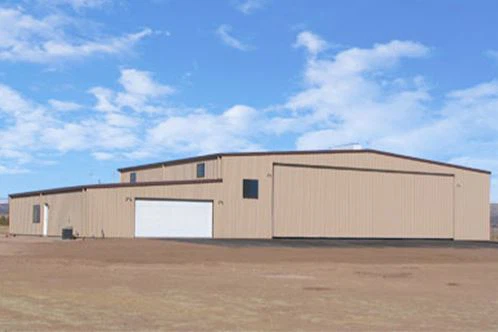

Types of Metals Used in Prefab Metal Sheds
Steel
Steel is by far the most popular choice for prefab metal sheds. It is an alloy primarily composed of iron and carbon, with small amounts of other elements such as manganese, silicon, and sulfur. There are different grades of steel used in the construction of prefab metal sheds, each with its own unique properties.
Galvanized Steel
Galvanized steel is steel that has been coated with a layer of zinc to protect it from corrosion. This process, known as galvanization, creates a barrier between the steel and the environment, preventing rust and other forms of corrosion. Galvanized steel is highly durable and can withstand harsh weather conditions, making it an ideal choice for outdoor prefab metal sheds. It is commonly used in the frames and panels of metal sheds, providing long - term structural integrity.
Galvalume Steel
Galvalume steel is another type of coated steel. It is coated with an alloy of zinc, aluminum, and silicon. Galvalume steel offers better corrosion resistance than traditional galvanized steel in certain environments, especially in areas with high humidity or exposure to industrial pollutants. It also has good heat reflectivity, which can help reduce the interior temperature of the shed, making it more energy - efficient.
Aluminum
Aluminum is a lightweight and corrosion - resistant metal. It is often used in prefab metal sheds where weight is a concern, such as in portable or small - scale sheds. Aluminum does not rust like steel, and it forms a natural oxide layer on its surface that protects it from further corrosion. This makes it a suitable choice for coastal areas where saltwater can cause rapid corrosion of other metals. However, aluminum is generally not as strong as steel, so it may not be suitable for large - scale or heavy - duty applications.
Characteristics of High - Quality Metal for Prefab Metal Sheds
Strength
The strength of the metal is crucial for the structural integrity of the prefab metal shed. High - quality steel, for example, should have a sufficient yield strength and ultimate tensile strength. Yield strength is the point at which the metal begins to deform permanently, while ultimate tensile strength is the maximum stress the metal can withstand before breaking. A shed made from high - strength metal can support heavy loads, such as snow on the roof during winter or large equipment stored inside.
Corrosion Resistance
As mentioned earlier, corrosion is a major concern for metal sheds, especially those located outdoors. A high - quality metal should have excellent corrosion resistance to ensure a long lifespan. Coated metals like galvanized and Galvalume steel are designed to resist corrosion, but the quality of the coating also matters. A well - applied and thick coating will provide better protection over time.
Ductility
Ductility is the ability of a metal to be deformed without breaking. In the context of prefab metal sheds, ductile metals are easier to shape into the desired forms during the manufacturing process. For example, steel with good ductility can be bent and formed into complex shapes for the shed's frame and panels. This allows for more design flexibility and the creation of customized shed designs.
Weldability
Weldability is an important characteristic, especially for steel sheds. The ability to weld the metal components together securely is essential for assembling the shed. High - quality steel should have good weldability, which means that the welds will be strong and free from defects such as cracks or porosity. This ensures the overall structural stability of the shed.
Impact of Metal Quality on Prefab Metal Shed Performance
Durability
The quality of the metal directly affects the durability of the prefab metal shed. A shed made from high - quality, corrosion - resistant metal can last for decades with minimal maintenance. On the other hand, a shed made from low - quality metal may start to show signs of rust and structural damage within a few years, leading to costly repairs or even the need for a replacement.
Functionality
The characteristics of the metal also impact the functionality of the shed. For example, a shed made from Galvalume steel with good heat reflectivity can keep the interior cooler in hot weather, reducing the need for additional cooling systems. A shed with a strong and ductile metal frame can be more easily modified or expanded in the future, providing greater flexibility for the user.
Aesthetics
The appearance of the prefab metal shed is also influenced by the metal quality. High - quality metal will have a smooth and uniform finish, which enhances the overall look of the shed. A well - finished shed not only looks more attractive but also gives the impression of a high - end and reliable product.
Quality Assurance in Metal Selection and Manufacturing
As a prefab metal shed supplier, we take several steps to ensure the quality of the metal used in our products.
Material Sourcing
We source our metals from reputable suppliers who adhere to strict quality standards. We carefully select the grades and types of metal based on the specific requirements of the shed design and the intended use. For example, for a large - scale industrial shed, we will choose high - strength steel with excellent corrosion resistance.
Quality Testing
Before using the metal in production, we conduct various quality tests. These tests may include chemical composition analysis to ensure that the metal meets the specified standards, as well as mechanical tests such as tensile and hardness tests. We also inspect the coating quality of coated metals to ensure that it provides adequate protection.
Manufacturing Process Control
During the manufacturing process, we have strict quality control measures in place. The metal components are fabricated with precision to ensure proper fit and assembly. Welding processes are carefully monitored to ensure strong and reliable welds. We also conduct final inspections of the completed sheds to ensure that they meet our quality standards.
Importance of Choosing the Right Metal for Your Prefab Metal Shed
When customers are considering purchasing a prefab metal shed, choosing the right metal is of utmost importance. The type of metal will determine the shed's performance, lifespan, and cost - effectiveness. For example, if you are building a shed in a coastal area, aluminum or Galvalume steel may be a better choice due to their superior corrosion resistance. If you need a large - scale shed to store heavy equipment, high - strength steel would be the more appropriate option.
To learn more about the construction and options of prefab metal sheds, you can visit Steel Frame Warehouse Construction, Steel Building Sheds, and Build A Steel Shed.
If you are interested in purchasing a prefab metal shed, we are here to help. Our team of experts can assist you in choosing the right metal and shed design based on your specific needs. We offer a wide range of prefab metal sheds, from small backyard storage sheds to large - scale industrial warehouses. Contact us to start a discussion about your project and get a customized solution that meets your requirements.
References
- ASM Handbook, Volume 1: Properties and Selection: Irons, Steels, and High - Performance Alloys.
- Aluminum Association. Aluminum Design Manual.
- American Iron and Steel Institute. Steel Construction Manual.