

What is the energy efficiency of a shed with a metal frame?
Oct 24, 2025
When it comes to sheds, the choice of materials plays a pivotal role in determining their energy efficiency. As a supplier of metal frames for sheds, I've witnessed firsthand the growing interest in understanding how these structures perform in terms of energy consumption. In this blog, we'll delve into the energy efficiency of sheds with metal frames, exploring the factors that influence it and the benefits they offer.
Understanding Energy Efficiency in Sheds
Energy efficiency in a shed refers to its ability to maintain a stable internal temperature with minimal energy input. A highly energy - efficient shed will require less heating in the winter and less cooling in the summer, translating to lower energy bills and a reduced environmental impact.
The energy efficiency of a shed is influenced by several factors, including insulation, the design of the shed, and the materials used in its construction. Metal frames, in particular, have unique characteristics that can significantly affect a shed's energy performance.
The Role of Metal Frames in Energy Efficiency
Metal frames are known for their strength and durability. They provide a solid structure for the shed, which can contribute to its overall energy efficiency in several ways.

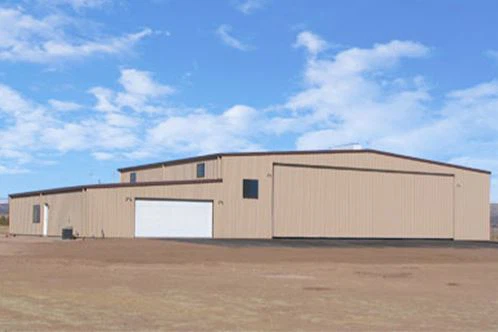
Structural Integrity
A well - constructed metal frame ensures that the shed maintains its shape and integrity over time. This means that there are fewer gaps or cracks where air can leak in or out. Air leakage is a major contributor to energy loss in buildings, as it allows warm air to escape in the winter and cool air to escape in the summer. By minimizing air leakage, a metal - framed shed can maintain a more stable internal temperature, reducing the need for additional heating or cooling.
Compatibility with Insulation
Metal frames are highly compatible with a variety of insulation materials. Insulation is crucial for improving the energy efficiency of a shed. It acts as a barrier, preventing the transfer of heat between the inside and outside of the shed. Common insulation materials used in metal - framed sheds include fiberglass, foam board, and spray foam insulation.
Fiberglass insulation is a popular choice due to its affordability and ease of installation. It works by trapping air within its fibers, which slows down the transfer of heat. Foam board insulation, on the other hand, is more rigid and provides a higher R - value (a measure of thermal resistance) per inch. Spray foam insulation is the most effective option as it can fill all the nooks and crannies in the shed, creating an airtight seal.
Reflectivity
Many metal frames are coated with a reflective finish. This finish can reflect a significant amount of sunlight, reducing the amount of heat absorbed by the shed. In the summer, this can help keep the interior of the shed cooler, reducing the need for air conditioning. For example, a shed with a reflective metal frame may require up to 30% less energy for cooling compared to a shed with a non - reflective frame.
Design Considerations for Energy - Efficient Metal - Framed Sheds
In addition to the material properties of the metal frame, the design of the shed also plays a crucial role in its energy efficiency.
Orientation
The orientation of the shed can have a significant impact on its energy consumption. In the Northern Hemisphere, positioning the shed so that it faces south can maximize sunlight exposure in the winter, providing natural heating. In the summer, overhangs or shading devices can be added to prevent excessive sunlight from entering the shed.
Window Placement
Windows can be a source of both heat gain and heat loss. By carefully placing windows in the shed, you can take advantage of natural light and ventilation while minimizing energy loss. For example, placing windows on the east and west sides of the shed can allow for cross - ventilation, which can help cool the shed in the summer. However, these windows should be properly insulated to prevent heat loss in the winter.
Roof Design
The roof design of a metal - framed shed can also affect its energy efficiency. A pitched roof can allow for better ventilation, as hot air rises and can escape through vents at the peak of the roof. Additionally, a green roof (a roof covered with vegetation) can be installed on a metal - framed shed. Green roofs provide insulation, reduce stormwater runoff, and can even improve air quality.
Benefits of Energy - Efficient Metal - Framed Sheds
There are numerous benefits to choosing an energy - efficient metal - framed shed.
Cost Savings
One of the most significant benefits is cost savings. By reducing energy consumption, you'll save money on your energy bills. Over time, these savings can add up, making the initial investment in an energy - efficient shed worthwhile.
Environmental Impact
Energy - efficient sheds have a lower environmental impact. By using less energy, they reduce greenhouse gas emissions associated with energy production. This is in line with the growing trend towards sustainable building practices.
Durability
Metal frames are extremely durable and can withstand harsh weather conditions. This means that your shed will last for many years, providing long - term energy savings and value.
How Our Metal Frames Can Help
As a supplier of metal frames for sheds, we understand the importance of energy efficiency. Our metal frames are designed to be strong, durable, and compatible with a wide range of insulation materials. We offer frames with a reflective finish to reduce heat absorption and minimize energy consumption.
Whether you're looking to Build A Steel Shed for storage, a workshop, or a hobby space, our metal frames can provide the foundation for an energy - efficient structure. We also offer a variety of design options to ensure that your shed meets your specific energy - efficiency needs.
If you're interested in Steel Warehouse Buildings or Zamil Steel Buildings, our metal frames can be customized to fit your requirements. We work closely with our customers to understand their needs and provide the best solutions for their projects.
Conclusion
The energy efficiency of a shed with a metal frame is influenced by a variety of factors, including the properties of the metal frame, insulation, design, and orientation. Metal frames offer several advantages in terms of energy efficiency, such as structural integrity, compatibility with insulation, and reflectivity.
By choosing an energy - efficient metal - framed shed, you can enjoy cost savings, a reduced environmental impact, and a durable structure that will last for many years. If you're considering building a shed, we encourage you to contact us to discuss your options. Our team of experts is ready to help you design and build an energy - efficient shed that meets your needs.
References
ASHRAE. (2019). Handbook of Fundamentals. American Society of Heating, Refrigerating and Air - Conditioning Engineers.
Kosny, J., & Yu, Y. (2010). Building Envelope Design Guide for High - Performance Commercial Buildings. National Institute of Standards and Technology.
McQuiston, F. C., Parker, J. D., & Spitler, J. D. (2005). Heating, Ventilating, and Air - Conditioning: Analysis and Design. Wiley.