

What are the pest - control measures for steel shed structures?
Dec 22, 2025
Pest infestations can pose significant threats to steel shed structures, compromising their integrity and functionality. As a reputable supplier of Steel Shed Structures, I understand the importance of implementing effective pest - control measures to ensure the longevity and performance of our products. In this blog, I will discuss various pest - control strategies that can be employed to safeguard steel shed structures.
Understanding the Pest Threats
Before delving into pest - control measures, it is crucial to identify the common pests that can target steel shed structures. Rodents, such as rats and mice, are a major concern. They can chew through electrical wiring, insulation, and even the steel itself in some cases. Their gnawing can lead to short - circuits, structural weaknesses, and potential fire hazards. Insects like termites, although more commonly associated with wood, can also cause damage to the insulation and other non - steel components within the shed. Ants may build nests in the shed, and some species can cause damage to stored goods. Additionally, birds can roost in the shed, leaving droppings that can corrode the steel over time and also pose health risks.
Preventive Measures
Structural Design
A well - designed steel shed can minimize the risk of pest entry. When designing a steel shed, ensure that there are no large gaps or holes in the structure. All openings, such as vents, doors, and windows, should be properly sealed. Installing fine - mesh screens on vents and windows can prevent insects and small rodents from entering. For example, a mesh with a small enough aperture can keep out even the tiniest insects.
Moreover, the design should include proper drainage systems. Standing water can attract pests like mosquitoes and rodents. By ensuring that water drains away from the shed, you reduce the likelihood of pest infestations. A sloped floor can also help in preventing water accumulation inside the shed.
Site Preparation
Before constructing a steel shed, proper site preparation is essential. Clear the area of any debris, vegetation, and potential nesting sites. Tall grass and bushes near the shed can provide hiding places for pests. Remove any old logs or piles of leaves that could attract rodents or insects. Additionally, consider the proximity of the shed to sources of food and water. Avoid placing the shed near garbage bins or areas where food is stored.
Physical Barriers
Sealing Cracks and Gaps
Regularly inspect the steel shed for cracks and gaps. Even the smallest opening can serve as an entry point for pests. Use caulk or sealant to fill any cracks in the steel or around the joints. For larger gaps, you can use expanding foam insulation. This not only seals the gap but also provides additional insulation for the shed.
Door and Window Guards
Install door sweeps on all exterior doors. Door sweeps create a tight seal between the bottom of the door and the floor, preventing rodents and insects from slipping under the door. Window guards can also be installed to reinforce the security of the windows and prevent pests from breaking through.
Chemical Control
Insecticides
Insecticides can be an effective way to control insect infestations in steel sheds. However, it is important to use them safely and responsibly. For minor insect problems, you can use aerosol insecticides. These are easy to apply and can target specific areas where insects are present. For more severe infestations, you may need to use liquid insecticides. When using liquid insecticides, follow the manufacturer's instructions carefully. Apply them around the perimeter of the shed, in corners, and other areas where insects are likely to hide.
It is also important to choose insecticides that are safe for use in a shed environment, especially if you are storing food or other sensitive items. Some insecticides are formulated to be low - toxicity and environmentally friendly.
Rodenticides
Rodenticides can be used to control rodent populations. There are two main types of rodenticides: anticoagulants and non - anticoagulants. Anticoagulant rodenticides work by preventing the blood from clotting, leading to internal bleeding in rodents. Non - anticoagulant rodenticides work through other mechanisms, such as disrupting the rodent's nervous system.
When using rodenticides, place them in bait stations. Bait stations are designed to keep the rodenticide away from non - target animals, such as pets and children. Place the bait stations in areas where rodents are likely to travel, such as along walls and in dark corners.
Biological Control
Predators
Introducing natural predators can be an environmentally friendly way to control pest populations. For example, cats can be effective in controlling rodent populations in and around the shed. Owls can also be attracted to the area by installing owl boxes. Owls are natural predators of rodents and can help keep their numbers in check.
In the case of insects, some beneficial insects can be introduced. Ladybugs, for instance, feed on aphids and other small insects. You can purchase ladybugs and release them in the shed to control insect populations.
Regular Monitoring and Maintenance
Inspections
Regularly inspect the steel shed for signs of pest activity. Look for droppings, gnaw marks, nests, and any other signs of infestation. Early detection of a pest problem can prevent it from becoming a major issue. Inspect the shed at least once a month, and more frequently if you suspect a pest problem.
Cleaning
Maintaining a clean shed is crucial for pest control. Regularly sweep and mop the floor to remove any food crumbs or debris that could attract pests. Clean the shelves and storage areas regularly. If you are storing food or other perishable items, ensure that they are properly sealed in containers.
Conclusion
As a supplier of Steel Shed Structures, I am committed to providing our customers with not only high - quality steel shed structures but also the knowledge and resources to protect them from pests. By implementing a combination of preventive measures, physical barriers, chemical control, biological control, and regular monitoring and maintenance, you can effectively control pest infestations in your steel shed.

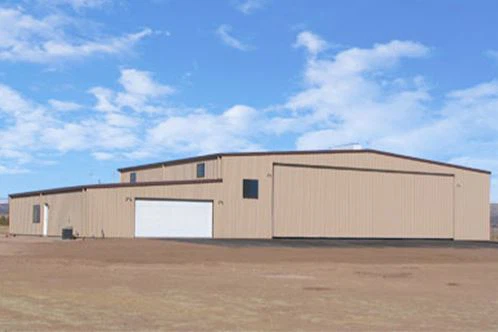
If you are interested in purchasing a steel shed or need more information about pest - control measures for steel shed structures, please feel free to contact us for a consultation. We are here to help you make the best decisions for your storage needs.
References
- Pimentel, D., & Burgess, M. (2014). Pest management in agricultural ecosystems. Elsevier.
- Olkowski, W., Daar, S., & Olkowski, H. (2000). Common - sense pest control: Least - toxic solutions for your home, garden, pets, and community. Ten Speed Press.
- Robinson, W. H. (2015). Urban entomology. Cambridge University Press.