

What are the common surface roughness requirements for steel products in a workshop?
Jun 03, 2025
Hey there! As a supplier from a steel workshop, I often get asked about the common surface roughness requirements for steel products. So, I thought I'd write this blog to share some insights on this topic.
First off, let's understand what surface roughness is. Surface roughness refers to the small, closely spaced irregularities on the surface of a steel product. These irregularities can affect the performance, appearance, and functionality of the steel. In a workshop, different steel products have different surface roughness requirements based on their intended use.
Structural Steel Products
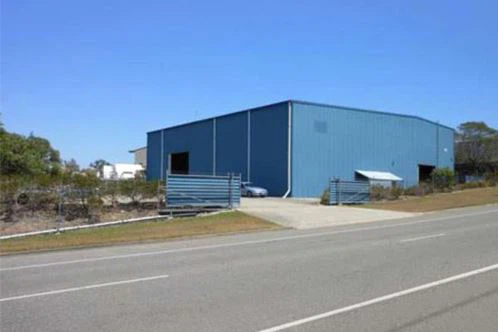
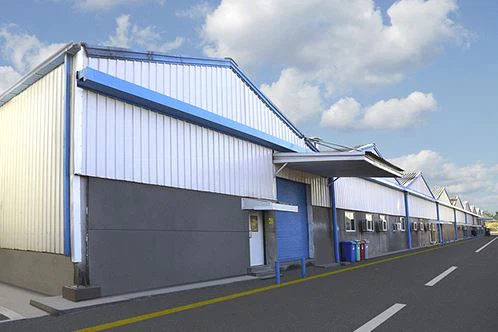
For structural steel products used in construction, like those in Light Steel Structure and Large Span Steel Structure, the surface roughness requirements are mainly about ensuring proper bonding and coating adhesion.
When steel is used in construction, it often needs to be painted or coated to prevent corrosion. A smooth surface with a relatively low surface roughness is preferred for better paint adhesion. Generally, the surface roughness for these structural steel products should be in the range of Ra 12.5 - 25 μm (micrometers). This level of roughness allows the paint or coating to grip the surface well, forming a durable protective layer.
Moreover, in welded joints of structural steel, a certain surface finish is also crucial. The surface around the weld area should be clean and have an appropriate roughness to ensure good weld quality. Rough surfaces can trap impurities, which may lead to weak welds and potential structural failures. So, before welding, the steel surface is usually prepared to have a consistent roughness that meets the welding standards.
Machinery and Equipment Steel Parts
In the manufacturing of machinery and equipment, steel parts have more specific surface roughness requirements. For example, shafts, gears, and bearings made of steel need to have very precise surface finishes.
Shafts that rotate at high speeds require a very smooth surface to reduce friction and wear. The surface roughness for these shafts is typically in the range of Ra 0.8 - 3.2 μm. This smooth surface allows the shaft to rotate smoothly within its bearings, minimizing energy loss and extending the service life of the components.
Gears, on the other hand, need to have a proper surface roughness to ensure accurate meshing and transmission of power. If the surface of the gears is too rough, it can cause noise, vibration, and premature wear. A surface roughness of Ra 1.6 - 6.3 μm is commonly required for gears to ensure optimal performance.
Decorative Steel Products
Steel products used for decorative purposes, such as those in Buildings Made Of Steel, have different surface roughness requirements focused on aesthetics.
For exterior decorative steel elements, like facades or sculptures, a smooth and shiny surface is often desired. A surface roughness of Ra 0.2 - 1.6 μm can create a sleek and modern look. This smooth finish not only enhances the visual appeal but also makes the steel easier to clean and maintain.
Interior decorative steel parts, such as handrails or light fixtures, also require a good surface finish. Depending on the design concept, the surface roughness can vary. Some designs may call for a slightly textured surface for a more rustic or industrial look, while others may require a mirror - like finish.
Factors Affecting Surface Roughness Requirements
There are several factors that influence the surface roughness requirements for steel products in a workshop.
Functionality
As mentioned earlier, the intended function of the steel product is a major factor. Products that need to move smoothly, transmit power, or form a tight seal require a smoother surface. On the other hand, products where grip or adhesion is important may allow for a slightly rougher surface.
Coating and Finishing
If the steel product is going to be coated, painted, or plated, the surface roughness needs to be compatible with the coating process. A surface that is too rough may cause the coating to be uneven or have poor adhesion, while a surface that is too smooth may not provide enough mechanical interlocking for the coating to hold.
Cost
Achieving a very low surface roughness often requires more advanced machining processes and higher - quality tools, which can increase the production cost. So, a balance needs to be struck between the required surface finish and the cost - effectiveness of the manufacturing process.
Measuring Surface Roughness
In our steel workshop, we use various methods to measure surface roughness. One of the most common methods is the use of a profilometer. A profilometer is a device that measures the height variations of the surface by tracing a stylus across the surface. It then calculates the average roughness value (Ra) based on the measured profile.
Another method is optical measurement, which uses light to analyze the surface topography. Optical measurement is non - contact and can provide a more detailed and accurate analysis of the surface, especially for complex or small - scale surfaces.
Meeting Surface Roughness Requirements in Our Workshop
As a supplier, we take several steps to ensure that our steel products meet the required surface roughness.
First, we select the appropriate raw materials. The quality and initial surface condition of the steel can have an impact on the final surface finish. We source high - quality steel from reliable suppliers to ensure a good starting point for our manufacturing processes.
Second, we use advanced machining and finishing techniques. For example, we may use grinding, polishing, or honing to achieve the desired surface roughness. These processes are carefully controlled to ensure consistency and accuracy.
Finally, we have a strict quality control system in place. Every steel product is inspected for surface roughness using the appropriate measurement methods. If a product does not meet the specified requirements, it is re - worked or rejected to ensure that only high - quality products are delivered to our customers.
Conclusion
In conclusion, surface roughness is an important aspect of steel products in a workshop. Different types of steel products, whether for construction, machinery, or decoration, have specific surface roughness requirements based on their function, coating needs, and aesthetic considerations.
At our steel workshop, we are committed to meeting these requirements to provide our customers with high - quality steel products. If you're in the market for steel products and have specific surface roughness requirements, don't hesitate to reach out to us for a detailed discussion. We'd be more than happy to work with you to find the best solutions for your projects.
References
- "Metallurgy and Mechanics of Welding" by John F. Lancaster
- "Mechanical Engineering Design" by Joseph E. Shigley and Charles R. Mischke
- "Surface Engineering for Corrosion and Wear Protection" by Terry Bell