

How to improve the energy efficiency of a warehouse steel frame?
Jul 07, 2025
Hey there! As a supplier of Warehouse Steel Frame, I've seen firsthand how important it is to improve the energy efficiency of these structures. Not only does it save money in the long run, but it also helps the environment. So, let's dive into some practical ways to make your warehouse steel frame more energy - efficient.
1. Insulation is Key
One of the most effective ways to boost energy efficiency in a warehouse steel frame is through proper insulation. Without good insulation, a lot of heat can escape during the winter, and the cool air can seep out in the summer. This means your heating and cooling systems have to work overtime, which uses up a ton of energy.
There are several types of insulation you can choose from. Fiberglass insulation is a popular option. It's relatively inexpensive and easy to install. You can have it installed in the walls and ceilings of your warehouse. Spray - foam insulation is another great choice. It forms an airtight seal, preventing air leakage much better than fiberglass. Although it's a bit more expensive, the long - term energy savings are worth it.
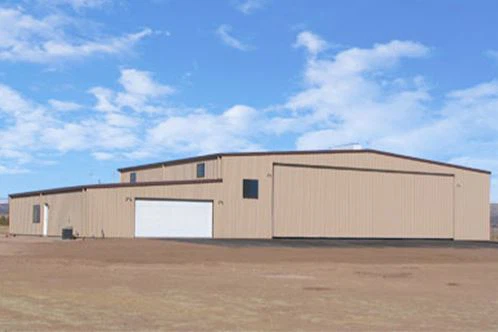

When you insulate your Metal Structure Warehouse, you're creating a thermal barrier. This barrier keeps the temperature inside the warehouse more stable, reducing the need for constant heating or cooling. For example, if you're running a warehouse in a cold climate, well - insulated walls can keep the warm air in, and you won't have to rely as much on your heaters.
2. Energy - Efficient Lighting
Lighting takes up a significant portion of a warehouse's energy consumption. Traditional incandescent bulbs are energy hogs, so it's time to make the switch to more efficient lighting options.
LED lights are the way to go. They use up to 80% less energy than incandescent bulbs and last much longer. You won't have to replace them as often, which also saves you money on maintenance. Plus, LED lights can be dimmed, so you can adjust the lighting levels according to your needs. For instance, if you only need minimal lighting in some areas of the warehouse during off - peak hours, you can dim the lights to save energy.
Another great idea is to install motion sensors. These sensors can detect when there's movement in an area and turn the lights on, and then turn them off when no one is around. This is especially useful in large warehouses where some areas may not be in use all the time. With motion - activated lighting, you're not wasting energy on illuminating empty spaces.
3. Optimize Ventilation
Good ventilation is crucial for a warehouse. It helps to remove heat, moisture, and pollutants from the building. However, an inefficient ventilation system can waste a lot of energy.
You can start by installing energy - efficient fans. High - volume, low - speed (HVLS) fans are a great option. They move a large amount of air at a low speed, which is more energy - efficient than traditional fans. These fans can create a comfortable environment inside the warehouse, reducing the need for air conditioning in the summer.
In addition, you can design your ventilation system to take advantage of natural ventilation. This means using windows, vents, and skylights to let fresh air in and hot air out. During the cooler months, you can open the windows and vents to bring in fresh air, reducing the need to run your mechanical ventilation system.
4. Upgrade Heating and Cooling Systems
Your heating and cooling systems are major energy consumers in a warehouse. If your systems are old and inefficient, it's time to consider an upgrade.
Newer heating and cooling systems are designed to be more energy - efficient. They use advanced technologies to heat or cool the space more effectively with less energy. For example, some modern air conditioners use inverter technology, which adjusts the compressor speed according to the cooling needs. This means the system doesn't have to run at full capacity all the time, saving energy.
You can also consider a geothermal heating and cooling system. Although the initial installation cost is high, it can save a significant amount of energy in the long run. Geothermal systems use the stable temperature of the earth to heat and cool the building, reducing your reliance on traditional energy sources.
5. Solar Power
Solar power is becoming more and more popular, and it's a great option for warehouses. By installing solar panels on the roof of your Steel Building Sheds, you can generate your own electricity.
Solar panels convert sunlight into electricity, which can be used to power your warehouse. This reduces your dependence on the grid and can save you a lot of money on your energy bills. Plus, many governments offer incentives and tax credits for businesses that install solar panels, making it an even more attractive option.
You don't have to go completely off - grid with solar power. You can use it to supplement your existing energy supply. For example, during the day when the sun is shining, your solar panels can power your lighting and ventilation systems, reducing the load on the grid.
6. Regular Maintenance
Regular maintenance of your warehouse steel frame and its systems is essential for energy efficiency. A well - maintained building and equipment will operate more efficiently.
For your insulation, check for any signs of damage or wear. If there are any gaps or holes, repair them immediately. Damaged insulation can allow air to leak, reducing its effectiveness.
Keep your lighting fixtures clean. Dust and dirt on the bulbs can reduce their brightness, which means you may need to use more lights to achieve the same level of illumination.
Service your heating and cooling systems regularly. A dirty air filter can make your HVAC system work harder, using more energy. Replace the filters as recommended by the manufacturer.
7. Design Considerations
If you're planning to Build A Steel Shed or a new warehouse, there are some design considerations that can improve energy efficiency from the start.
Orient your warehouse in the right direction. In the Northern Hemisphere, having more windows on the south side can allow more sunlight to enter during the winter, providing natural heating. In the summer, you can use shading devices to block the sun's rays and keep the building cool.
Use light - colored roofing materials. Light colors reflect more sunlight, reducing the amount of heat absorbed by the building. This can lower the temperature inside the warehouse and reduce the need for air conditioning.
By implementing these strategies, you can significantly improve the energy efficiency of your warehouse steel frame. Not only will you save money on energy bills, but you'll also be doing your part for the environment.
If you're interested in improving the energy efficiency of your warehouse steel frame or are looking to purchase high - quality steel frames, I'd love to talk to you. Feel free to reach out to discuss your specific needs and how we can work together to make your warehouse more energy - efficient and cost - effective.
References
- ASHRAE Handbook of Fundamentals. American Society of Heating, Refrigerating and Air - Conditioning Engineers.
- U.S. Department of Energy. Energy Efficiency and Renewable Energy Resources for Commercial Buildings.